Research only
3.8/ 5
B+
Compound profileLongevity
MOTS-c
Primary research interestCellular ageing & mitochondrial research
Mitochondrial-derived peptide studied for metabolic and longevity pathways.
Last reviewed15 Mar 2026
View profileEndurance training research explores peptides being studied for their potential effects on mitochondrial biogenesis, oxygen utilisation, and aerobic metabolism. This page reviews the current literature on peptide candidates for endurance performance and energy production.
Last updated: 27 April 2026
Endurance peptide research examines compounds targeting mitochondrial function, metabolic flexibility, and aerobic capacity. MOTS-c is studied for mitochondrial-derived peptide signalling and metabolic regulation. GH secretagogues are investigated for effects on lactate clearance and oxidative metabolism. Metabolic modulators are explored for glucose handling and fuel substrate switching in aerobic contexts.
MOTS-c research demonstrates mitochondrial biogenesis in animal models and improvements in glucose tolerance. GH secretagogue studies show improvements in aerobic parameters in GH-deficient populations, with less clear evidence in trained endurance athletes. Limited human data exists on direct endurance performance metrics with peptide intervention.
Endurance-specific peptide research is sparse in human populations. Most mitochondrial data come from metabolic disease models rather than athletic adaptation. No large trials directly measure VO2 max or endurance performance gains with peptide intervention. Long-term training response in athletes remains understudied.
Endurance performance peptides have no ARTG listing. Research-grade supply is legal for institutional use; personal application falls outside TGA frameworks. Medical practitioners cannot prescribe peptides for endurance enhancement without a registered medical condition warrant.
Primary research interestCellular ageing & mitochondrial research
Mitochondrial-derived peptide studied for metabolic and longevity pathways.
Primary research interestSelective GH release & sleep architecture research
Non-peptide GH secretagogue and ghrelin mimetic studied for muscle growth and recovery.
Primary research interestMetabolic outcomes & incretin pathway analysis
Widely-prescribed GLP-1 receptor agonist with substantial trial evidence for weight loss and type 2 diabetes.
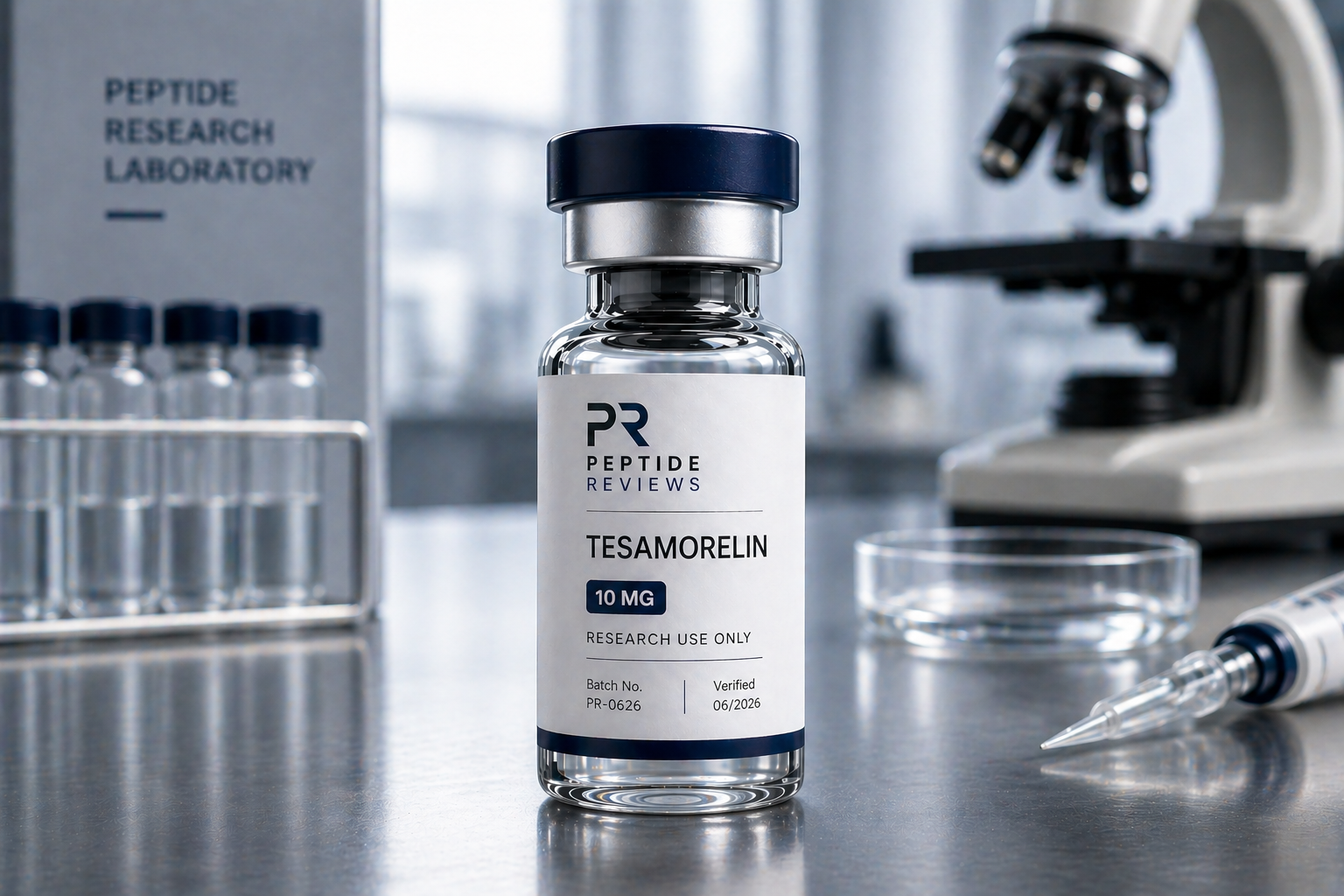
Primary research interestGHRH-axis pulsatile release research
GHRH analog studied and approved in some jurisdictions for HIV-related lipodystrophy.
Primary research interestGHRH-axis pulsatile release research
Long-acting GHRH analog often combined with GH secretagogues in research models.