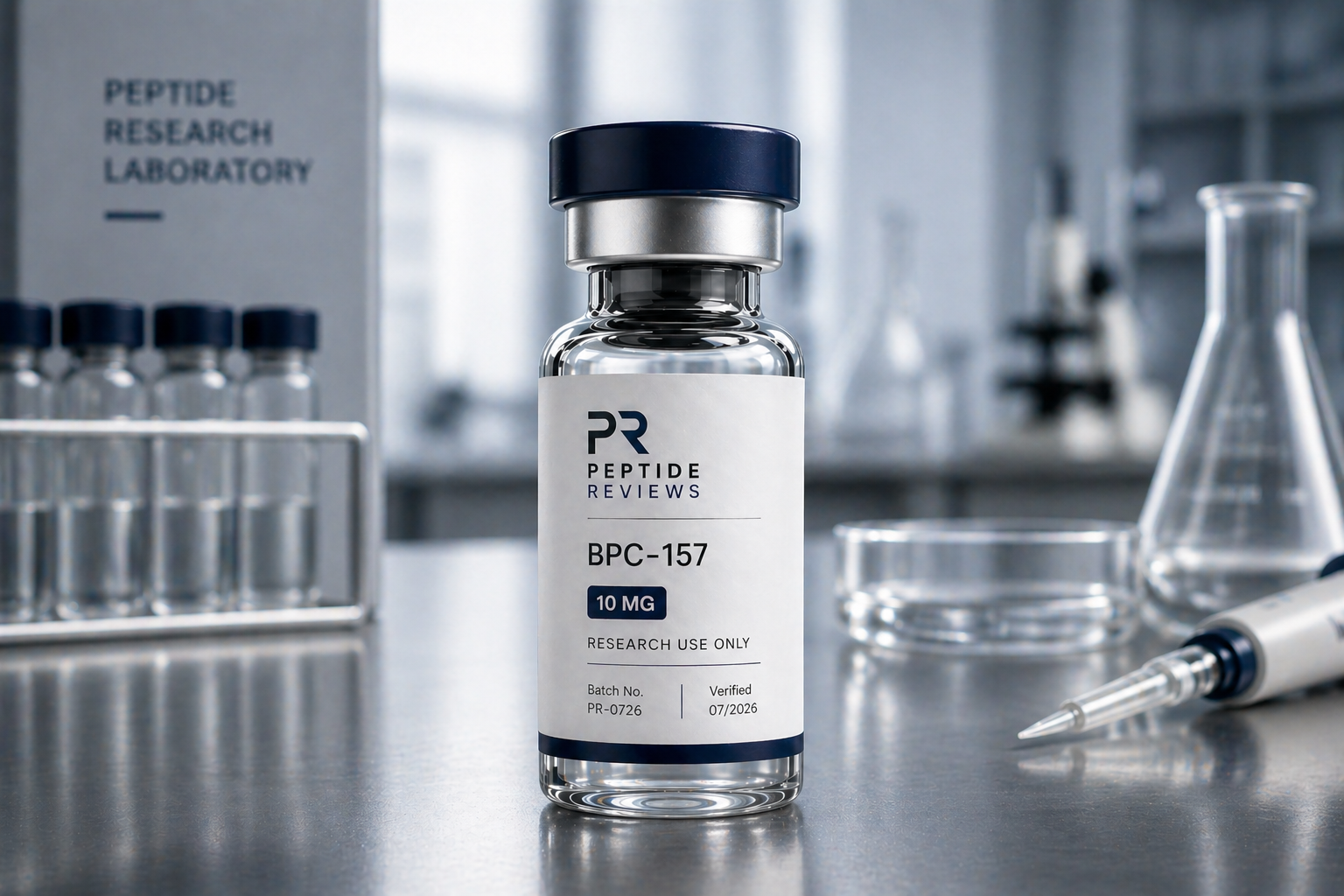
Research only
4.5/ 5
A
Compound profileRecovery
BPC-157
Primary research interestTissue repair & recovery research
Broad healing peptide researched for tissue repair, injury recovery and gut health support.
Last reviewed30 Mar 2026
View profileRecovery peptides are investigated for potential roles in tissue repair, wound healing, and musculoskeletal recovery. This category surveys the research landscape around regenerative peptide mechanisms.
Last updated: 10 May 2026
Recovery peptides constitute a research domain focused on understanding how certain peptide sequences may promote tissue healing, collagen synthesis, and cellular repair processes. These peptides are predominantly studied in preclinical models and early clinical research contexts. The Australian regulatory environment treats recovery peptides as investigational research materials unless they have successfully completed TGA evaluation and been added to the ARTG, which is rare for most peptides in this category.
Research in recovery peptides examines several biological mechanisms. Scientists investigate how these peptides might stimulate growth factor signalling, promote angiogenesis (new blood vessel formation), reduce inflammation in injury contexts, and enhance extracellular matrix protein synthesis. Studies typically begin in cell culture and animal models, examining whether peptides can accelerate normal tissue repair processes without introducing adverse effects. Endpoints often include wound closure rates, collagen deposition, and tissue tensile strength.
The evidence base for recovery peptides varies widely. Some show compelling preclinical results in specific tissue injury models, such as muscle strain or acute tendon damage. However, translation to human clinical outcomes remains limited for most. Published research often comes from small Phase I or Phase II trials, frequently conducted outside Australia. The gap between animal model efficacy and human therapeutic utility represents a significant limitation in interpreting existing literature.
When assessing recovery peptides for research purposes, evaluate the specific tissue model studied, the mechanism proposed, and whether results were reproducible across independent laboratories. Consider the stage of development: a peptide effective in mouse muscle injury models may not translate to human hamstring strains. Look for transparency about adverse effects, especially concerning inflammation or immune responses. Understand that 'accelerates healing in animal models' does not equate to proven human efficacy.
Australia's TGA requires evidence of safety and efficacy before peptides can be marketed as therapeutic goods. Most recovery peptides remain in research-only status, meaning they cannot legally be represented as treatments for any health condition. This educational content is designed to support understanding of the scientific research landscape, not to recommend or suggest use.
Recovery peptides represent an active area of scientific investigation with significant potential for future therapeutic applications. However, the transition from research findings to approved clinical use requires substantial additional evidence and regulatory oversight. Current information about these peptides should be understood within the context of ongoing scientific development rather than established therapeutic practice.
Primary research interestTissue repair & recovery research
Broad healing peptide researched for tissue repair, injury recovery and gut health support.
Primary research interestTissue repair & recovery research
Supports tissue repair, reduces inflammation and improves recovery time in research models.
Primary research interestDermal collagen synthesis & wound-healing research
Copper tripeptide widely studied for skin and wound healing applications.