PEPTIDE

Athletes & Performance

Peptides for Strength Training Research

Strength training research investigates peptide mechanisms that may enhance muscle protein synthesis and hypertrophic adaptation. This page covers the current scientific literature on peptides studied for their potential roles in supporting strength gains and muscle quality.

Last updated: 28 April 2026

What the research covers

Strength research focuses on peptides that activate anabolic signalling pathways—primarily IGF-1 and growth hormone axes. Studies investigate direct IGF-1 analogues, GH-releasing peptides, and indirect modulators of muscle protein balance. Research contexts include cellular mechanotransduction, satellite cell activation, and whole-body hormonal adaptation in resistance-trained models.

Where the evidence is strongest

IGF-1-LR3 research demonstrates potent myotrophic signalling in myoblast cultures and animal models, with dose-dependent increases in protein synthesis. CJC-1295/ipamorelin combinations show synergistic GH release in human studies. Follistatin-344 animal models indicate myostatin antagonism and lean mass gains, though human strength-specific data remain limited.

Limits of the current literature

Human strength training studies with peptides are sparse; most data derive from hormone replacement or GH-deficiency contexts rather than athletic enhancement. Long-term safety and efficacy in trained populations are poorly documented. No large RCTs directly compare peptide plus training to training plus resistance-standard nutrition in strength athletes.

Regulatory and access considerations (Australia)

Strength-training peptides are not ARTG-registered for this indication. Research-grade compounds can be legally obtained for institutional study; personal use and non-prescriber access are outside TGA approval. Prescription access requires specific medical indication (e.g. GH deficiency) through an approved medical practitioner.

Reviews relevant to this context

Research only
Evidence
3.4/ 5
B−
Compound profileGrowth Hormone

IGF-1 LR3

Primary research interestGrowth hormone axis & body composition research

Long-acting IGF-1 analog studied for muscle growth and recovery in research.

Last reviewed22 Mar 2026
View profile
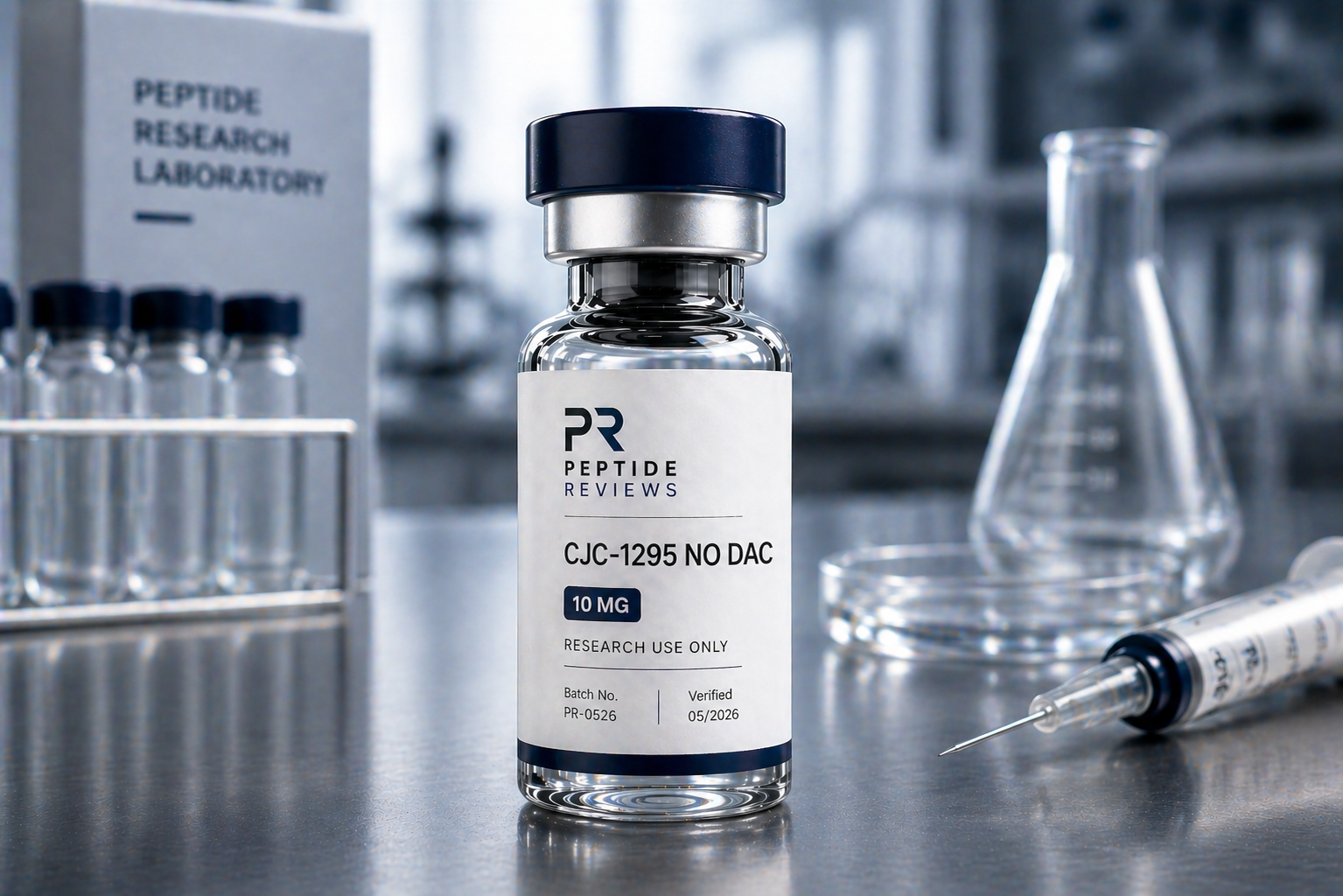
CJC-1295 + Ipamorelin
Research only
Evidence
4.6/ 5
A
Compound profileGrowth Hormone

CJC-1295 + Ipamorelin

Primary research interestGrowth hormone axis & body composition research

Powerful GH secretagogue combination researched for recovery, sleep quality and body composition.

Last reviewed22 Apr 2026
View profile
Research only
Evidence
3.2/ 5
B−
Compound profileRecovery

Follistatin 344

Primary research interestTissue repair & recovery research

Myostatin inhibitor studied for muscle growth by blocking myostatin signalling.

Last reviewed5 Mar 2026
View profile
Research only
Evidence
3.8/ 5
B+
Compound profileGH Secretagogue

MK-677 / Ibutamoren

Primary research interestSelective GH release & sleep architecture research

Non-peptide GH secretagogue and ghrelin mimetic studied for muscle growth and recovery.

Last reviewed8 Apr 2026
View profile
Prescription
Evidence
4.0/ 5
B+
Compound profileGH Releasing

Sermorelin

Primary research interestGHRH-axis pulsatile release research

Short-acting GHRH analog with a long history of clinical use.

Last reviewed28 Feb 2026
View profile

Related comparisons

Related guides

FAQs

IGF-1-LR3 is modified to resist binding protein inactivation, extending its bioavailability. Research suggests enhanced and prolonged muscle signalling compared to native IGF-1, though long-term safety profiles in athletes are not well-established.