Research only
4.0/ 5
B+
Compound profileSkin
GHK-Cu
Primary research interestDermal collagen synthesis & wound-healing research
Copper tripeptide widely studied for skin and wound healing applications.
Last reviewed4 Mar 2026
View profileAnti-aging skin research examines peptides being studied for their potential to enhance collagen and elastin production, improve skin texture, and reduce visible aging. This page reviews current scientific literature on peptide candidates for skin aging research.
Last updated: 25 April 2026
Anti-aging skin research focuses on peptides that stimulate collagen synthesis, restore ECM integrity, and modulate skin cell turnover. GHK-cu is studied for collagen I/III upregulation and wound healing. Epitalon is investigated for telomerase activity and cellular senescence. TB-500 is examined for inflammatory resolution and tissue remodelling in aging skin contexts.
GHK-cu in vitro and ex vivo human skin studies show significant collagen induction and growth factor upregulation. Epitalon research suggests telomerase upregulation in cultured cells, though human skin-aging applications remain preliminary. TB-500 studies document reduced inflammatory cytokines and enhanced collagen remodelling.
Human clinical trials on peptide-based skin aging are sparse; most data come from cell cultures or animal models. Long-term safety and efficacy in anti-aging contexts are underexplored. Comparative effectiveness against established skincare ingredients (retinol, vitamin C) lacks rigorous data. Publication bias toward positive results is evident.
Anti-aging peptides are not ARTG-listed for cosmetic use. Research-grade peptides for skin research can be legally obtained from compliant suppliers; personal cosmetic application is not a TGA-approved pathway. Cosmetic claims require specific therapeutic goods registration or exemption status.
Primary research interestDermal collagen synthesis & wound-healing research
Copper tripeptide widely studied for skin and wound healing applications.
Primary research interestCellular ageing & mitochondrial research
Tetrapeptide studied in longevity literature with modest evidence base.
Primary research interestTissue repair & recovery research
Supports tissue repair, reduces inflammation and improves recovery time in research models.
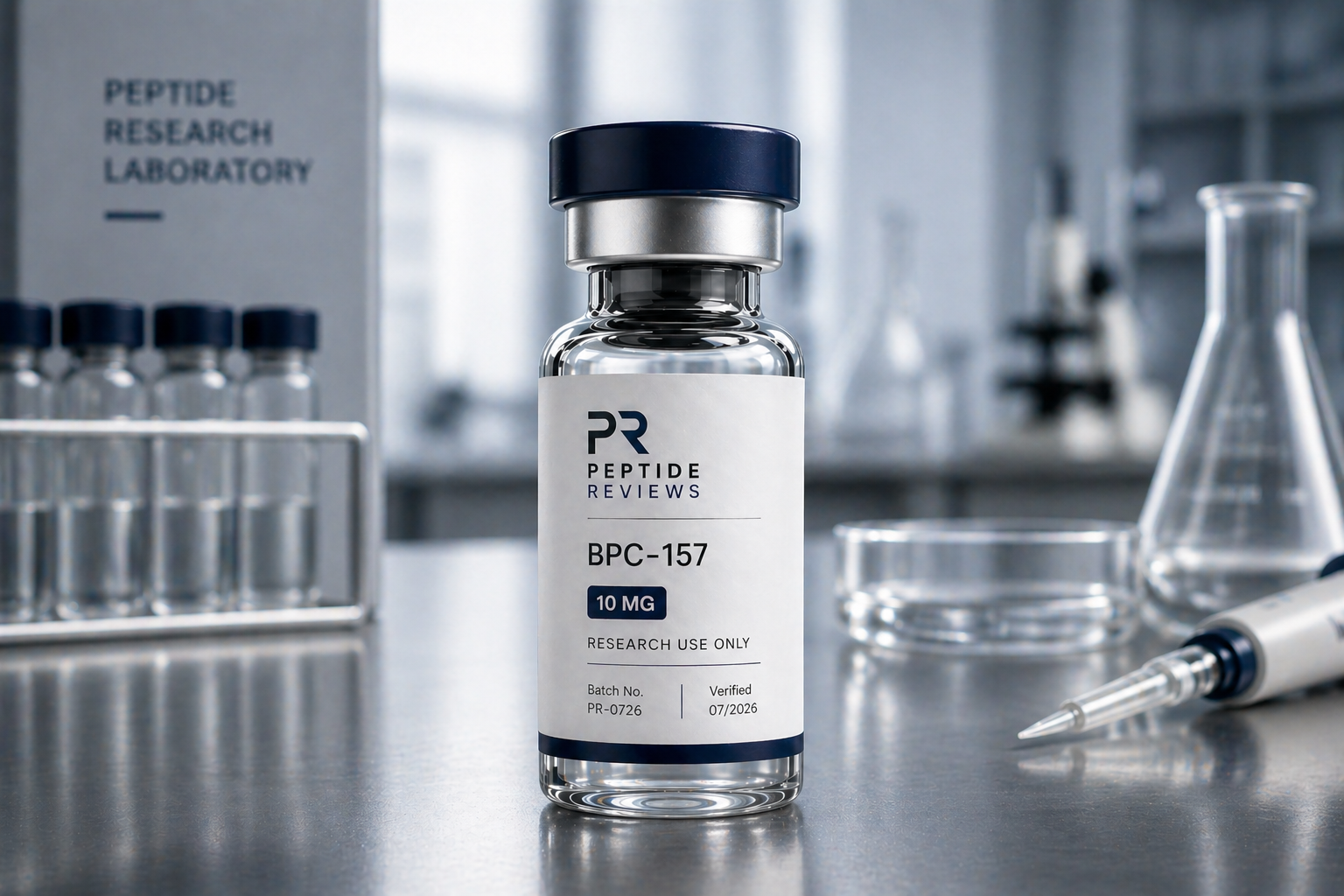
Primary research interestTissue repair & recovery research
Broad healing peptide researched for tissue repair, injury recovery and gut health support.